


Beginn des Seitenbereichs:
Seitenbereiche:

  • Zum Inhalt (Zugriffstaste 1)
  • Zur Positionsanzeige (Zugriffstaste 2)
  • Zur Hauptnavigation (Zugriffstaste 3)
  • Zur Unternavigation (Zugriffstaste 4)
  • Zu den Zusatzinformationen (Zugriffstaste 5)
  • Zu den Seiteneinstellungen (Benutzer/Sprache) (Zugriffstaste 8)
  • Zur Suche (Zugriffstaste 9)

Ende dieses Seitenbereichs. Zur Übersicht der Seitenbereiche

Beginn des Seitenbereichs:
Seiteneinstellungen:

Deutsch de
English en
Suche
Anmelden

Ende dieses Seitenbereichs. Zur Übersicht der Seitenbereiche

Beginn des Seitenbereichs:
Suche:

Suche nach Details rund um die Uni Graz
Schließen

Ende dieses Seitenbereichs. Zur Übersicht der Seitenbereiche


Suchen

Beginn des Seitenbereichs:
Hauptnavigation:

Seitennavigation:

  • Universität

    Universität
    • Die Uni Graz im Portrait
    • Organisation
    • Strategie und Qualität
    • Fakultäten
    • Universitätsbibliothek
    • Jobs
    • Campus
    Lösungen für die Welt von morgen entwickeln – das ist unsere Mission. Unsere Studierenden und unsere Forscher:innen stellen sich den großen Herausforderungen der Gesellschaft und tragen das Wissen hinaus.
  • Forschungsprofil

    Forschungsprofil
    • Unsere Expertise
    • Forschungsfragen
    • Forschungsportal
    • Forschung fördern
    • Forschungstransfer
    • Ethik in der Forschung
    • Kommission für wissenschaftliche Integrität
    Wissenschaftliche Exzellenz und Mut, neue Wege zu gehen. Forschung an der Universität Graz schafft die Grundlagen dafür, die Zukunft lebenswert zu gestalten.
  • Studium

    Studium
    • Studieninteressierte
    • Infos für Studierende
    • Welcome Weeks für Erstsemestrige
  • Community

    Community
    • International
    • Am Standort
    • Forschung und Wirtschaft
    • Absolvent:innen
    Die Universität Graz ist Drehscheibe für internationale Forschung, Vernetzung von Wissenschaft und Wirtschaft sowie für Austausch und Kooperation in den Bereichen Studium und Lehre.
Jetzt aktuell
  • Jetzt zum Studium anmelden
  • Jetzt die "Youni"-App holen
  • Klimaneutrale Uni Graz
  • Forscher:innen gefragt
  • Arbeitgeberin Uni Graz
Menüband schließen

Ende dieses Seitenbereichs. Zur Übersicht der Seitenbereiche

Beginn des Seitenbereichs:
Sie befinden sich hier:

Universität Graz Tartinians Neuigkeiten 19–21 May 2026: An international conference in Graz on 18th‑century violin culture
  • Über uns
  • Unsere Forschung
  • Internationale Kooperationspartner
  • Neuigkeiten

Ende dieses Seitenbereichs. Zur Übersicht der Seitenbereiche

Freitag, 07.08.2026

19–21 May 2026: An international conference in Graz on 18th‑century violin culture

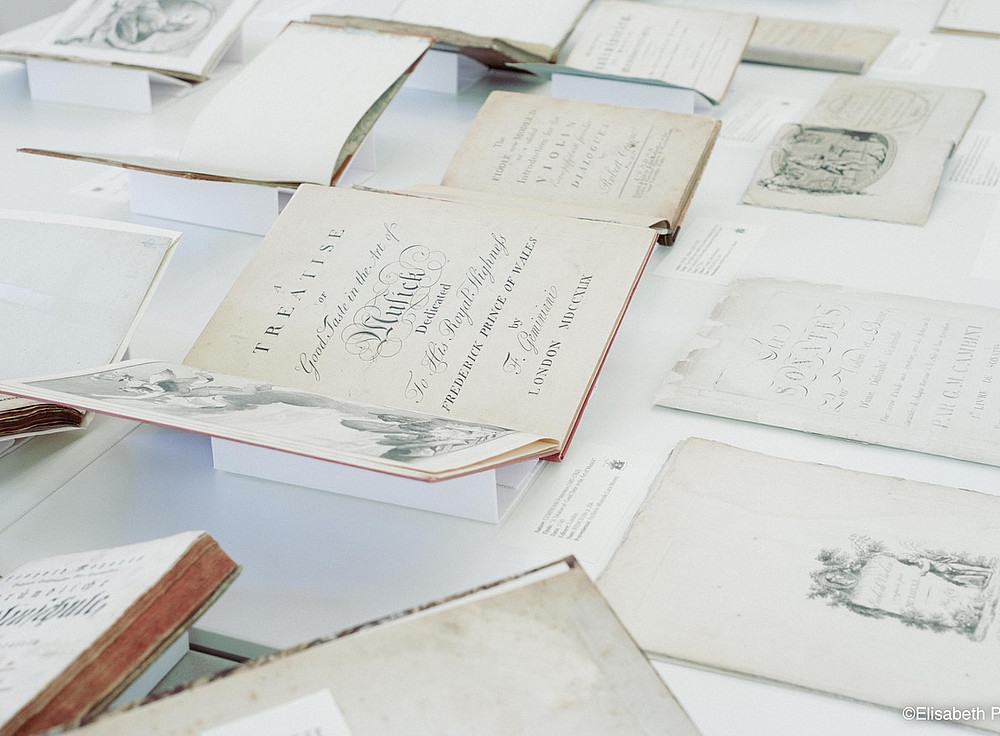
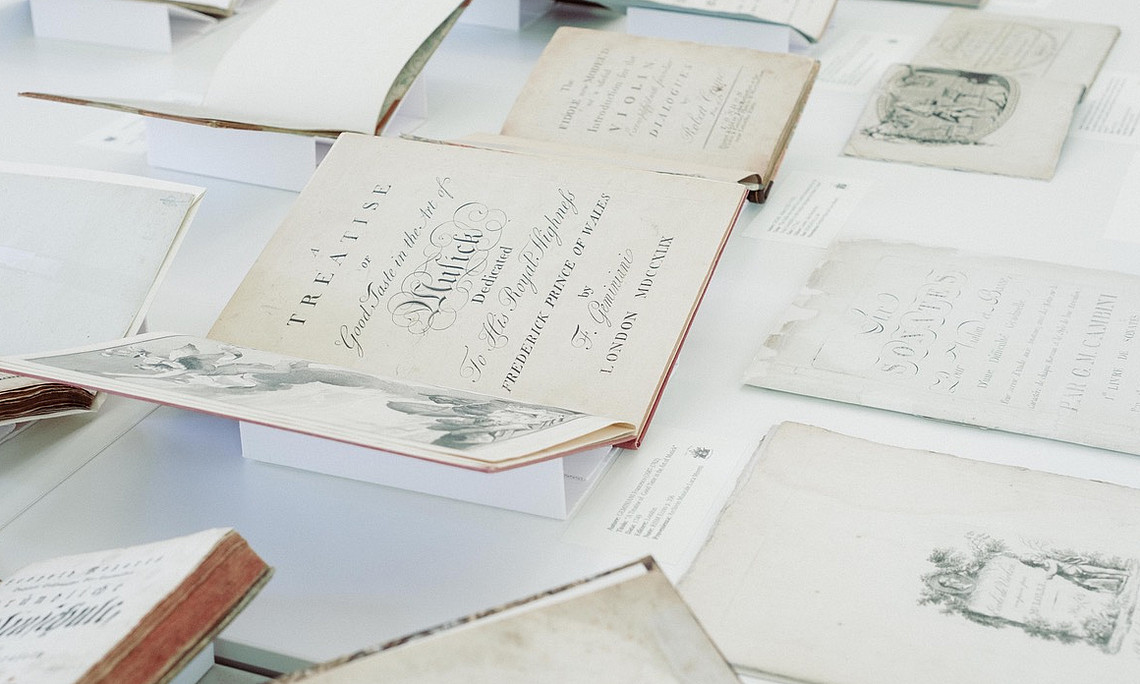
Exhibition by Archivio Musicale Luca Moretti ©Elisabeth Probst
©Elisabeth Probst

Exhibition on eighteenth-century violin didactics curated by the Archivio Musicale Luca Moretti.

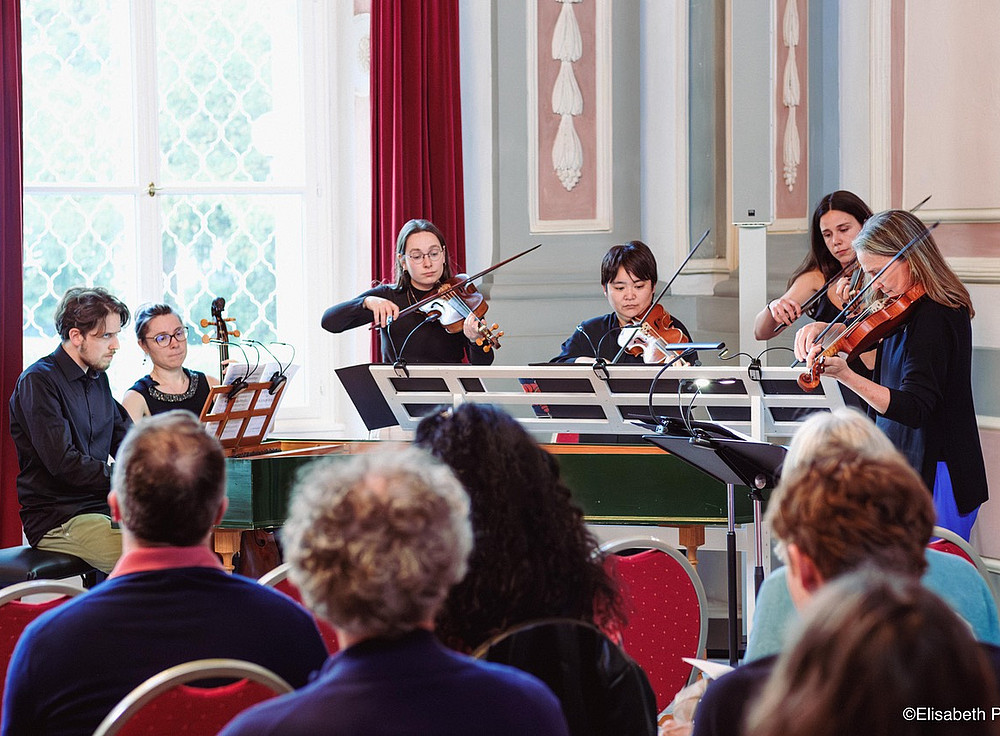
Concerti by ensamble Gamma.ut ©Elisabeth Probst
©Elisabeth Probst

Ensemble gamma.ut with prof. Susanne Scholz, Manako Ito, Alejandra Segovia – violins, Hagar Girsai – viola, Ala Korzeniewska – cello, Christian Prohammer – harpsichord.

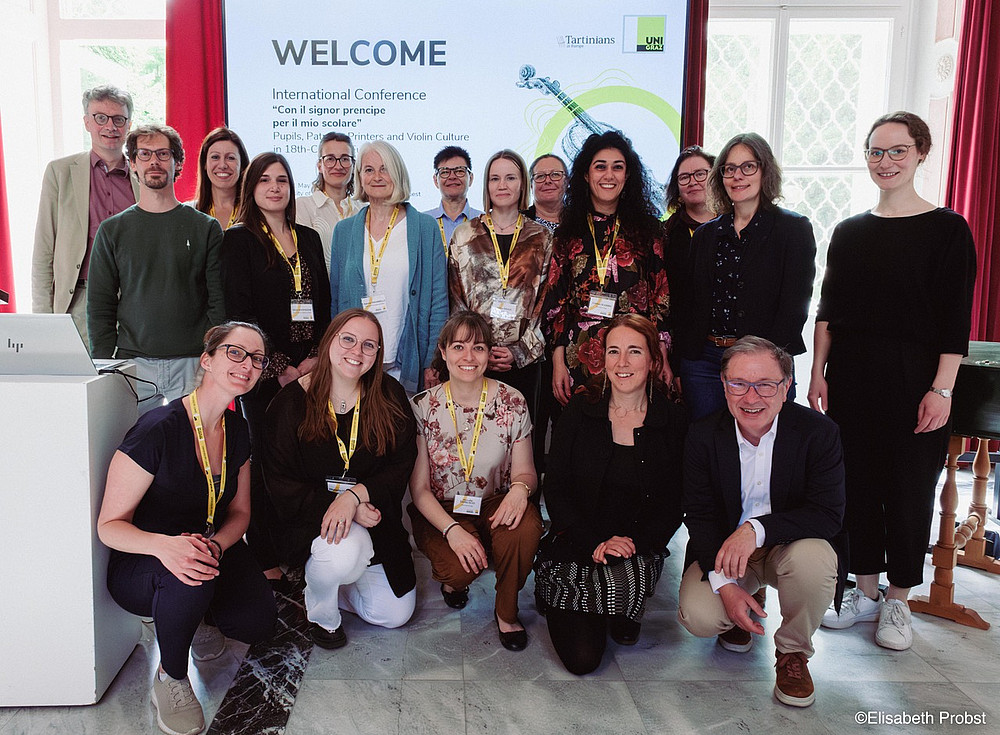
Tartinians group ©Elisabeth Probst
©Elisabeth Probst

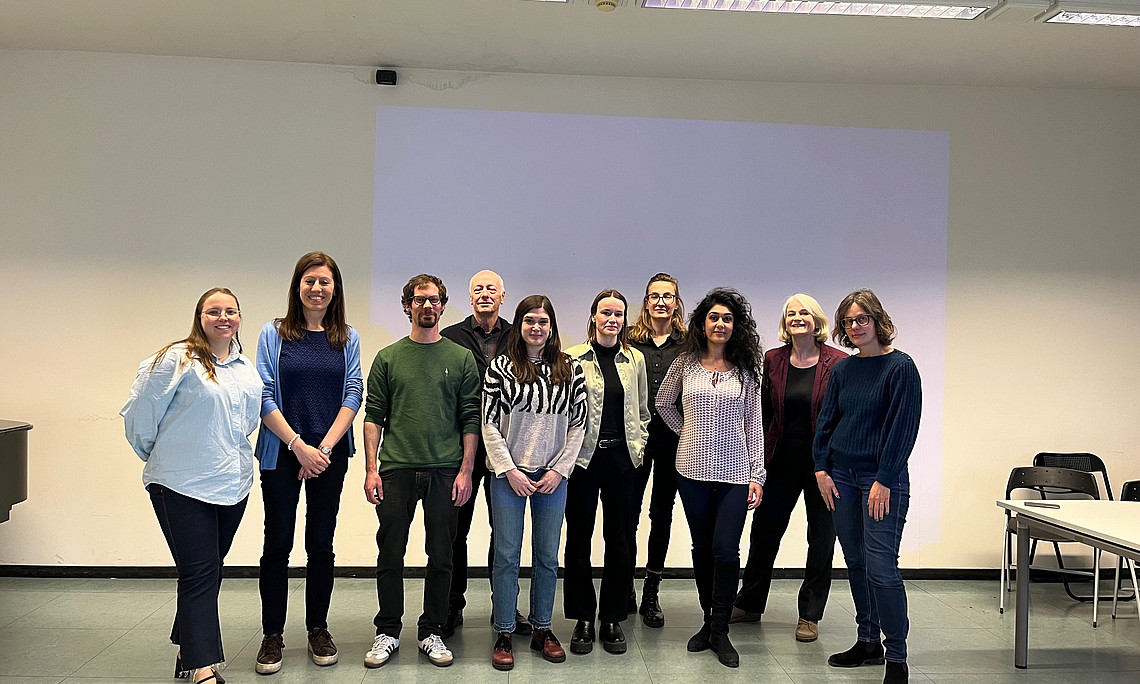
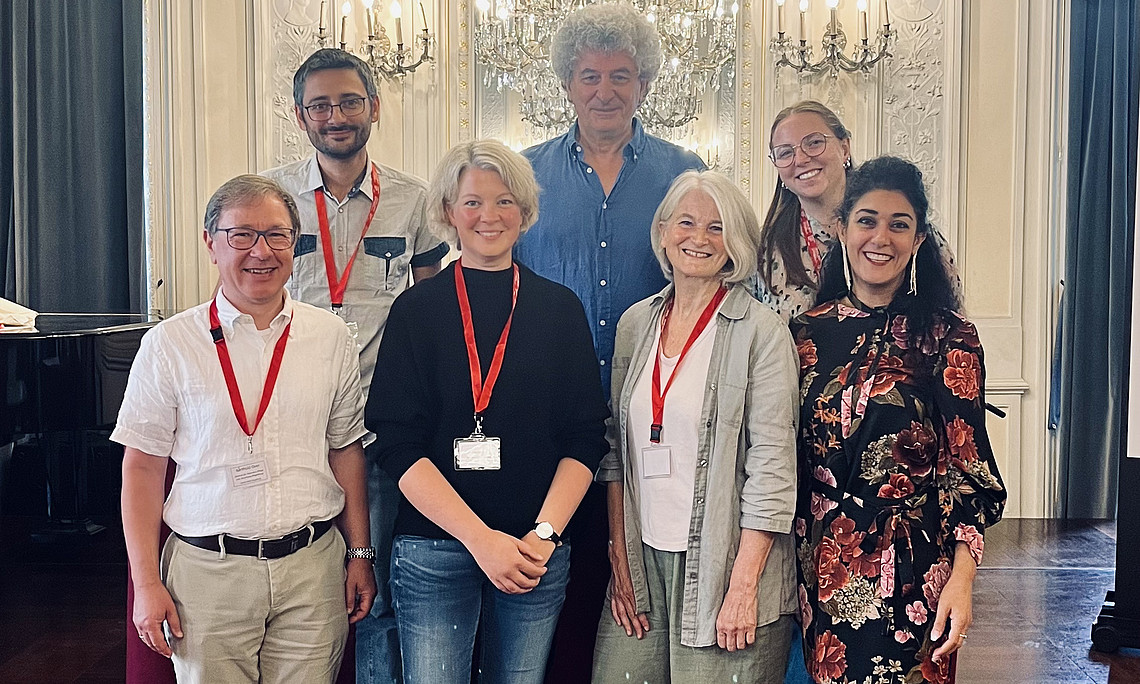
Tartinians in Europe group during the conference.

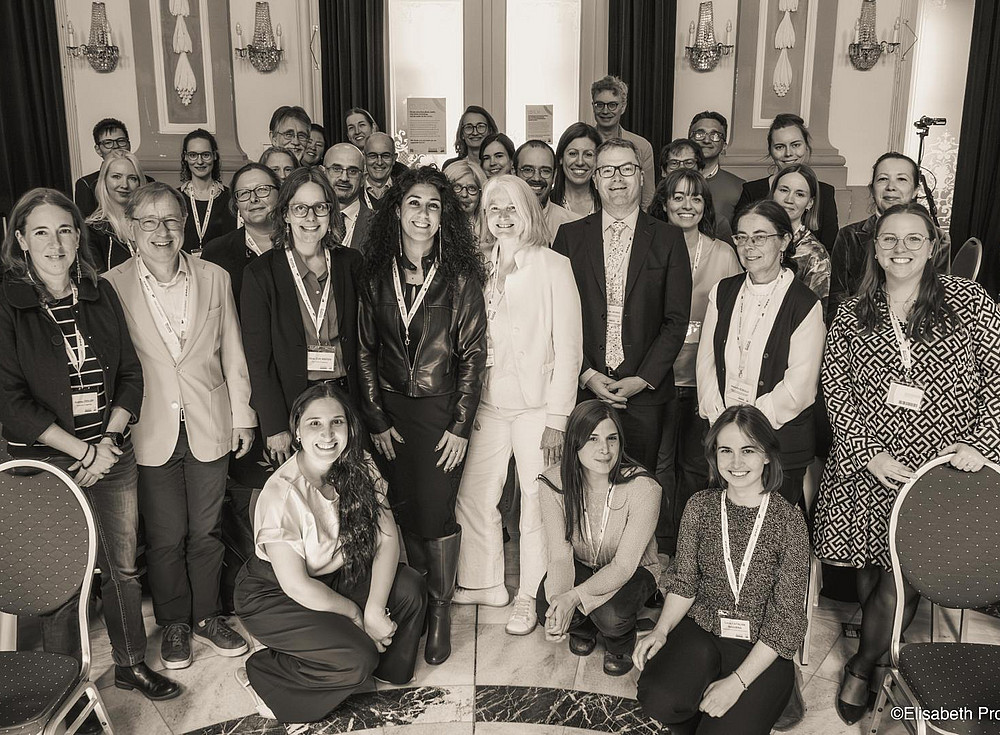
International conference partecipants ©Elisabeth Probst
©Elisabeth Probst

International partecipants at the conference.

The conference brought together scholars from across Europe to explore 18th‑century violin culture.

Special focus was placed on pupils, patrons and printers, and on the role of violin “schools” in the Age of Enlightenment.

The conference was held in the historic rooms of the Meerscheinschlössl, part of the University of Graz.

From May 19th to 21st 2026, the FWF WEAVE International Project “Tartinians in Europe. The School of Nations and its Networks” hosted an international conference devoted to  18th century violin culture at the Meerscheinschlössl at the University of Graz. At its core lay the world surrounding the violin: the relationships between pupils and teachers, the presence of patrons and the music market, the work of printers and the emergence of different national traditions, which jointly helped shape a truly European violin culture. The papers explored topics such as violin pedagogy and treatises, compositional principles, patronage networks, the mobility of musicians and the ways in which social and political contexts influenced education, careers and repertoire, including the new perspectives offered by digital tools for studying these interconnected histories.

The three days unfolded as a journey through this universe. The first day was largely devoted to broader questions of historiography and to the formation of violin traditions, schools and repertoires, setting the scene for the following sessions and opening the discussion on how violin culture developed across Europe. The second day moved closer to the core of teaching and transmission, focusing on pupils, manuscripts, rules of composition and performance practice, as well as introducing digital approaches to mapping the networks of knowledge and the circulation of ideas. The third day widened the lens again, looking at international exchanges, treatises from different regions, issues of virtuosity and gender, and the complex role of patronage in enabling artistic careers and transnational mobility.

Music was constantly present alongside scholarly debate. Concerts and lecture recitals offered the opportunity to experience first-hand the sound world evoked during the presentations, from the dialogue between violin and flute in eighteenth-century repertoire in the concert “Violin and Traverso in Tartini’s Europe. Violinistic Reminiscences in the 18th-Century Flute Repertoire” with Stefano Bet (traverso) and Lukas Frank (harpsichord), to reflections on bowing, expression and style in Italian music of the period in the lecture recital “‘Di questo appoggio così leggero...’ The Art of the Single Bow Stroke in Tartini and other Italian Composers” by Ensemble gamma.ut (with prof. Susanne Scholz, Manako Ito, Alejandra Segovia – violins, Hagar Girsai – viola, Ala Korzeniewska – cello, Christian Prohammer – harpsichord). The atmosphere in Graz was both concentrated and convivial, with intense discussions continuing also during the breaks, shared visits to the exhibition on eighteenth-century violin didactics curated by the Archivio Musicale Luca Moretti, and informal encounters that linked specialists from different backgrounds and generations.

For the “Tartinians” project, the conference was a particularly important milestone. It provided a space to share some of the project’s first results, to test new research questions and to engage in open dialogue with experts from various disciplines. This exchange helped refine methodologies, deepen interpretations and to establish the “Tartinians” research group within a wider international conversation on violin culture and musical knowledge in eighteenth‑century Europe.
Weitere Artikel

19–21 Mai 2026: Internationale Konferenz zur Violin Kulture des 18. Jahrhunderts in Graz

Die Tagung versammelte Forscherinnen und Forscher aus ganz Europa, um die Violinkultur des 18. Jahrhunderts zu untersuchen. Besondere Aufmerksamkeit galt Schülern, Mäzenen und Musikdruckern sowie der Rolle der Violin„Schulen“ im Zeitalter der Aufklärung. Die Tagung fand in den historischen Räumen des Meerscheinschlössl statt, einem Standort der Universität Graz.

International Conference May 19-21, 2026

"Con il signor prencipe per il mio scolare" Pupils, Patrons, Printers and Violin Culture in 18th-Century Europe

Die Begegnung mit und das Verständnis für die Violinmusik des 18. Jahrhunderts

Ein Erasmus-BIP-Workshop zu Kontext, Pädagogik und Musik rund um Giuseppe Tartini

MerMEId-Workshop in Triest: Austausch und Innovation in der digitalen Musikkatalogisierung

Am 13. und 14. September 2025 nahmen Mitglieder des Projekts Tartinians in Europe am MerMEId-Workshop im Konservatorium von Triest teil. Die Veranstaltung bot eine wertvolle Gelegenheit, sich über digitale Musikkatalogisierung auszutauschen, Themen im Zusammenhang mit Giuseppe Tartini zu vertiefen und die Zusammenarbeit zwischen europäischen Institutionen im Bereich der digitalen Musikwissenschaft zu stärken.

Beginn des Seitenbereichs:
Zusatzinformationen:

Universität Graz
Universitätsplatz 3
8010 Graz
  • Anfahrt und Kontakt
  • Kommunikation und Öffentlichkeitsarbeit
  • Moodle
  • UNIGRAZonline
  • Impressum
  • Datenschutzerklärung
  • Cookie-Einstellungen
  • Barrierefreiheitserklärung
Wetterstation
Uni Graz

Ende dieses Seitenbereichs. Zur Übersicht der Seitenbereiche

Ende dieses Seitenbereichs. Zur Übersicht der Seitenbereiche

Beginn des Seitenbereichs:

Ende dieses Seitenbereichs. Zur Übersicht der Seitenbereiche